Is an AI Notetaker Recording Your Data Interviews? Check Consent First
Oklahoma lets one person on a call agree to a recording. Your candidate in California may be under a very different rule, and the notetaker vendor is a party too.
A tool someone turned on is now part of your interview
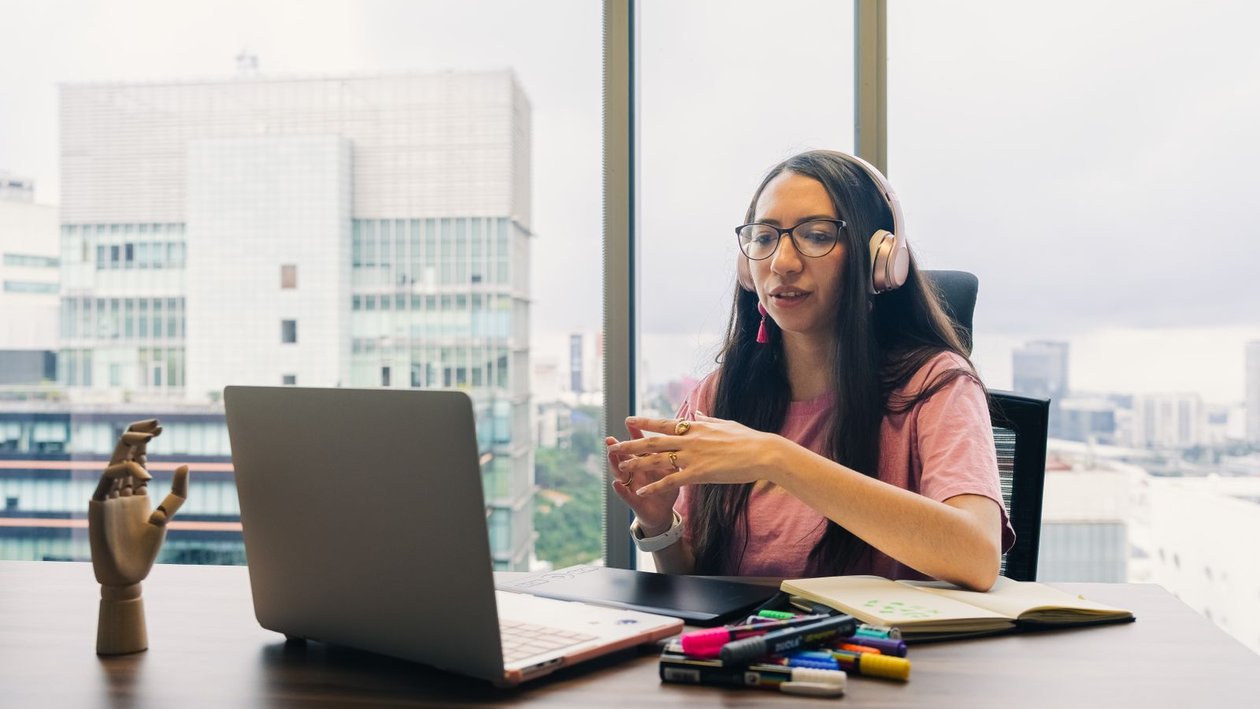
Video interviews are normal for data roles now. A hiring manager in Tulsa may talk to a data engineer in Dallas, a BI developer in Denver and an analyst in Sacramento in the same week. More and more, an AI notetaker joins those calls too. It records the talk, writes a transcript and sends everyone a summary.
Often nobody at the company chose that. One person on the panel connected a notetaker to their calendar, and now it shows up to every meeting they attend, interviews included.
That habit is now part of two federal lawsuits, and employers who hire data talent should pay attention.
What the courts are looking at
The first case is In re Otter.AI Privacy Litigation in the federal court for the Northern District of California. On August 13, 2026, the judge granted Otter's motion to dismiss in part and denied it in part, according to a write up by the law firm Troutman Amin. Claims under the California Invasion of Privacy Act, the federal Wiretap Act and the Illinois Biometric Information Privacy Act were allowed to go forward.
Two points from that ruling matter for employers. The court treated Otter as a possible third party eavesdropper because it keeps recordings and uses them to train its AI models. The court also said voiceprints can count as biometric identifiers under the Illinois law. The seven plaintiffs live in California, Illinois and Washington, and the meetings they describe include talks about professional opportunities.
The second case, Chamberlain v. Granola, was filed July 30, 2026 in the same court. According to the complaint as reported by SocialTalent, the notetaker recorded people without telling most of them and fed recordings into model training by default. The complaint quotes Granola's own marketing line that other people on a call won't know it's there. Neither case has reached a verdict, and both companies dispute the claims or have not yet responded publicly.
The vendor may be a party to your interview
Consent rules ask who is on the call and who agreed. A notetaker that saves the recording on its own servers and uses it to train AI may count as an extra listener in some states. Your interviewer agreeing to the recording may not cover the vendor.
Why Oklahoma rules are not the whole story
Oklahoma is what lawyers call a one party consent state. Under 13 O.S. section 176.4, it is not unlawful for a person to record a call they are part of, or when one of the people on the call has agreed, unless the recording is made to commit a crime. So an interviewer in Oklahoma City recording a local candidate is usually on firmer ground.
California is different. California Penal Code section 632 makes it a crime to record a confidential conversation without the consent of all parties. The fine can reach $2,500 per violation, and the law applies to companies as well as people. SocialTalent reports that the Granola complaint relies on California's privacy law, which allows $5,000 per violation in civil damages, or three times actual damages if that is more.
Illinois adds another layer. A tool that tells speakers apart by voice may be collecting voiceprints, and the Otter ruling says those can count under the Illinois biometric law. That is a separate issue from recording consent, so getting a yes to record does not settle it.
Data hiring makes this more likely to come up. Oklahoma employers often recruit data engineers and analysts who live in other states and work remote. A single interview can involve people in three states, each with its own rules.
Why an interview is a riskier room than a meeting
SocialTalent makes the point plainly. A candidate is outside your company. Personal details come up in normal conversation. A recording can become evidence if a hiring decision is ever challenged. Data candidates also tend to notice when a bot joins the call, and some will decide right then that your company is careless with data.
Turning off training later may not fix the past either. The Granola complaint says the company's own materials admit it cannot confirm data was left out of training before a user changed the setting. And the candidate on someone else's call has no setting to change at all.
What to put in place before your next interview
- 1Make a list of every notetaker and recording tool your hiring team uses, including ones people connected to their own calendars.
- 2Ask each vendor in writing whether it keeps recordings, how long it keeps them and whether it uses them to train AI. Turn training off where you can.
- 3Tell every candidate in the invite that the interview may be recorded or transcribed, name the tool and give them an easy way to say no.
- 4Say it again at the start of the call, and stop the tool if the candidate declines. Do not hold a no against them.
- 5Turn off speaker identification by voice unless you truly need it, given the Illinois biometric law.
- 6Set a short retention window for interview recordings and transcripts, and decide who on the team can see them.
- 7Write a short policy that says where notetakers are allowed and where they are not, such as final interviews, offer talks and terminations.
- 8Ask an employment attorney to review the policy, especially if you interview people in California, Illinois or Washington.
SocialTalent notes that Littler Mendelson, a large employment law firm, advises governing these tools rather than banning them. People already use AI to take meeting notes, and a ban many will ignore protects no one.
What this means if you run a company in Oklahoma
Most Oklahoma companies hiring data talent are not trying to record anyone in secret. The risk comes from a default setting nobody checked. A clear notice in the invite, a short spoken reminder and a vendor that does not train on your calls fix most of it.
It also helps you hire. The best data candidates think about privacy for a living. When they see a company that tells them up front what is recorded and why, they trust the rest of the process more.
At Oklahoma Data Partners, we work only with data and only in Oklahoma. We help Oklahoma employers run fair, well run interviews for data engineers, analysts and BI developers, including how candidates are told about recording. If you want help hiring your next data person, book a consultation.
Key takeaway
AI notetakers in interviews are now the subject of federal lawsuits. Oklahoma allows one party consent, but California requires all parties to agree and Illinois treats voiceprints as biometric data. Know which tools join your interviews, tell every candidate, turn off training and voice ID, keep recordings briefly and have an attorney review your policy.
Frequently asked questions
Ready to get started?
Need help building a fair, clear interview process for data hires? Book a consultation with Oklahoma Data Partners.
Founder, Oklahoma Data Partners
Don Karlos is a senior data engineer and database specialist who founded Oklahoma Data Partners to give Oklahoma organizations one partner for understanding their data (analytics, dashboards, data engineering) and for hiring the data people behind it. Oklahoma Data Partners is an Oklahoma-based, data-only firm with two equal pillars: data consulting and data talent recruiting. We help organizations stabilize critical databases, build reliable data pipelines, design scalable data architecture, and turn raw information into trusted business intelligence, and we help Oklahoma companies hire the permanent data professionals who keep those systems running.
About Oklahoma Data PartnersData consulting & data talent recruiting · Clean. Structured. Reliable.