
Your Next Data Hire May Still Be in Uniform
Every year, people leave Tinker, Fort Sill and other Oklahoma installations with years of work behind them and a civilian career ahead. Some would rather stay in the state than move. Most employers only meet them after they have already taken another job. There is a way to meet them months earlier.
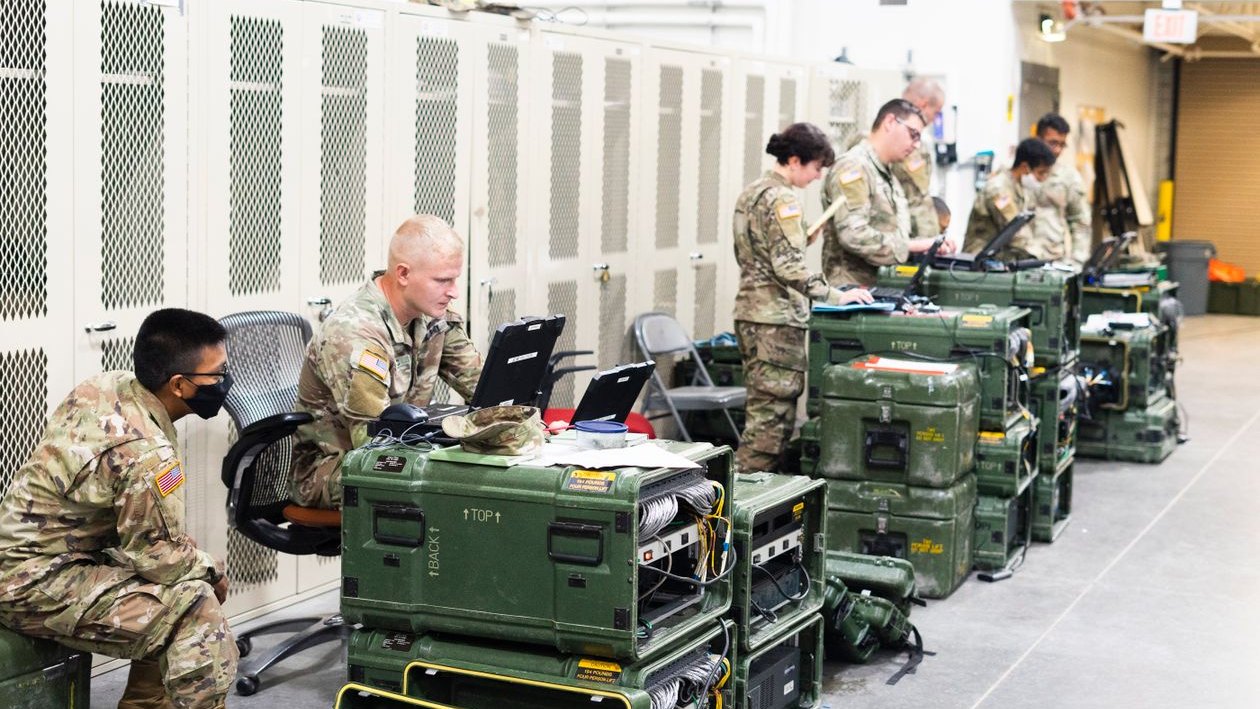
A hiring pool most employers never see
Oklahoma employers fight hard for data people. They post roles, wait, interview, lose finalists to remote offers and start again. Meanwhile, a few miles away, people with years of disciplined work behind them are counting down to the end of their military service.
Military work often involves systems, records and reports, from maintenance tracking to network support to the briefings commanders rely on. People who did that work have learned to follow procedures, handle sensitive information and deliver on deadlines that do not move. Most companies only meet them after they leave, as one more resume in the pile. By then the best ones are often already taken.
A federal program lets you meet them earlier, train them on your work and see what they can do before you hire them. It is called SkillBridge. It has been around for years, yet plenty of Oklahoma employers have never looked at it, and some who have assumed it was not meant for them.
What the evidence says
The SkillBridge website describes the program plainly. Service members can use up to their last 180 days of service to train with a civilian employer through internships, apprenticeships or job training. Their commander has to approve it in writing. During that time they keep receiving their military pay and benefits. The site says employers get access to a highly trained workforce at no cost, and a chance to judge whether each person is a good fit for a job afterward. That last part is the real value for a hiring manager. Instead of guessing from an hour of interviews, you watch someone work with your data and your team for weeks or months. You see how they learn and how they handle a messy problem.
The program is large and well established. In August 2024 the Pentagon's Military Civilian Transition Office reported 4,945 approved organizations and 8,494 active SkillBridge opportunities. The site lists Amazon, John Deere, Lockheed Martin and UnitedHealth Group among its employers. Small firms take part as well, and the rules are written with them in mind. The program also approves some third party providers that run programs on behalf of client employers.
The rules for employers are specific. Under the current agreement, a company must have been in business for at least three years. It must accept a minimum number of participants each year, starting at one for companies with 200 or fewer employees and rising to five for companies with more than 1,000. It must keep enough suitable full time jobs open to cover every participant it hosts. It may not pay participants or give them gifts, and it may not charge them for training, equipment or certifications. Live training, in person or online, has to make up more than half the program.
Timing matters too. New employers can only apply during two windows each year, October 1 to December 1 and February 1 to April 1. The fall window is open now and closes December 1. A company that misses it waits until February. Approval also takes time after you apply, so a team that starts planning today is looking at hosting its first participant some months from now. That is one more reason to start the paperwork early rather than wait for the perfect role.
Oklahoma has a deep pool to draw from. Site Selection reported in June 2026 that Tinker Air Force Base is the largest single site employer in the state, with more than 26,000 civilian and military workers. Fort Sill in Lawton and other installations add more. Tinker's own leaders told a Midwest City audience in 2025 that the base is working to bring in AI, dashboards and automation. Some of the people leaving have worked close to that kind of change.
Why Oklahoma employers miss this pool
They think it is only for big companies
The well known names on the SkillBridge site make it look like a program for national brands. The minimums say otherwise. A company with 200 or fewer employees needs to host just one participant a year. A regional bank, a midsize manufacturer or a growing software firm can qualify. Government agencies can take part too, and they are exempt from the three year rule. Size is rarely the real barrier. The real barrier is usually that nobody inside the company has been asked to own it.
Nobody has scoped a data role for it
SkillBridge works best when the employer knows what the participant will do on day one and what job waits at the end. Many data teams have never written that down. Without a clear plan, the months go by in shadowing and small tasks, and nobody learns much about fit. The participant leaves unsure, and the manager still has an open seat. A short written plan fixes most of this before anyone arrives.
Military titles do not match civilian ones
A service member's job title rarely looks like analyst or database administrator. Hiring managers who screen on familiar titles pass over people who have done very similar work. The answer is to ask what systems they used, what data they kept and what decisions it fed. A sergeant who kept readiness records accurate for a whole unit may have more practical data discipline than a candidate with the right title.
Know the rules before you sign
SkillBridge employers may not pay participants or give them gifts for their work, and may not suggest that the military endorses their company. Hosts also report outcomes, such as hires and starting salary offers, after the program ends. Read the agreement closely before you apply.
How to build a SkillBridge path into your data team
- 1Confirm you meet the basics, including three years in business and real full time data roles you plan to fill.
- 2Pick one or two roles that fit, such as a junior analyst, a reporting role or a database support role.
- 3Write a plan for the months of training, with clear tasks, a mentor and a weekly check in.
- 4Decide in advance what a good result looks like and what job offer follows it.
- 5Complete the required employer ethics brief and gather your business documents.
- 6Apply during the enrollment window, either by December 1 or between February 1 and April 1.
- 7Once approved, list your opportunity and tell people near Tinker, Fort Sill and other installations that it exists.
- 8Treat each participant like a new hire from the first day, because the best ones will have other offers.
What this means if you run a company in Oklahoma
Oklahoma employers often lose data candidates to remote jobs based in other states. People finishing military service here are a different group. Some already have homes and families here and would rather stay than move again. A SkillBridge program gives you months to show them why they should build a career with you instead of moving on.
It is not a shortcut. You still need a real role, a mentor with time to teach and a fair offer at the end. Not every participant will be ready for a senior data job. But a few months of working side by side tells you more than any interview, and the participant learns your systems before the first day on your payroll. Start small. One well planned role, done right, teaches you whether to build more.
At Oklahoma Data Partners, we help Oklahoma employers define data roles, set fair pay and build hiring plans that reach people other companies overlook. If you want to open your data team to people leaving military service, book a consultation.
Key takeaway
SkillBridge lets service members train with an employer for up to their last 180 days of service while the military pays them. Small Oklahoma companies can qualify with one participant a year. Plan a real data role, then apply by December 1 or in the spring window.
Frequently asked questions
Ready to get started?
Want a hiring path for people leaving military service? Book a consultation with Oklahoma Data Partners to scope the data roles and the plan that make it work.
Founder, Oklahoma Data Partners
Don Karlos is a senior data engineer and database specialist who founded Oklahoma Data Partners to give Oklahoma organizations one partner for understanding their data (analytics, dashboards, data engineering) and for hiring the data people behind it. Oklahoma Data Partners is an Oklahoma-based, data-only firm with two equal pillars: data consulting and data talent recruiting. We help organizations stabilize critical databases, build reliable data pipelines, design scalable data architecture, and turn raw information into trusted business intelligence — and we help Oklahoma companies hire the permanent data professionals who keep those systems running.
About Oklahoma Data PartnersData consulting & data talent recruiting · Clean. Structured. Reliable.